
How is the Maya number system different from ours today?
I am often asked by teachers what are the main differences between the Maya number system and ours and how to teach it in class. Briefly, there are 3 main differences:
- Our own number system uses powers of tens, it is a decimal system. The ancient Maya used power of twenties; it was a vigesimal system.
- In our number system there are 10 digits, 0, 1, 2, 3, 4, 5, 6, 7, 8 and 9. The Maya system used only 3 digits, a shell (amongst other things) for zero, a dot for 1 and a bar or line for 5 (Fig. 1)
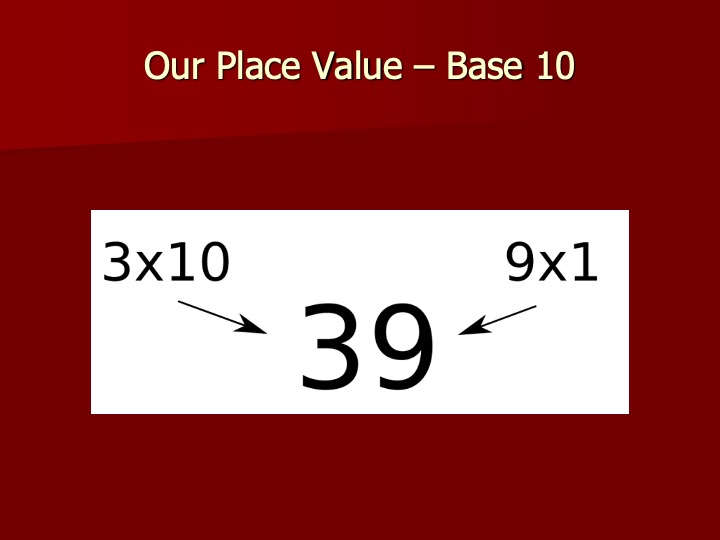
- When writing numbers, once we get to ‘9’ we then move across to the next column. We write a ‘one’ followed by a ‘zero’ to show that we have moved across. Zero is a place-holder. Our place values are multiples of 10: 1s, 10s (10 x 1), 100s (10 x 10), 1000s (10 x 100) and so on. For the Maya when they reach 19, they move up to the next row, rather than column, and write one dot followed by a shell in the row below. Their place values were multiples of 20s: 1s, 20s (20 x 1), 400s, (20 x 20), 8,000s (20 x 400) and so on (Figs. 2 & 3).


For a detailed explanation on the Maya number system and how to calculate Maya numbers see below for a whole section on my website that also includes children’s activities and resources to download.
Leave a Reply